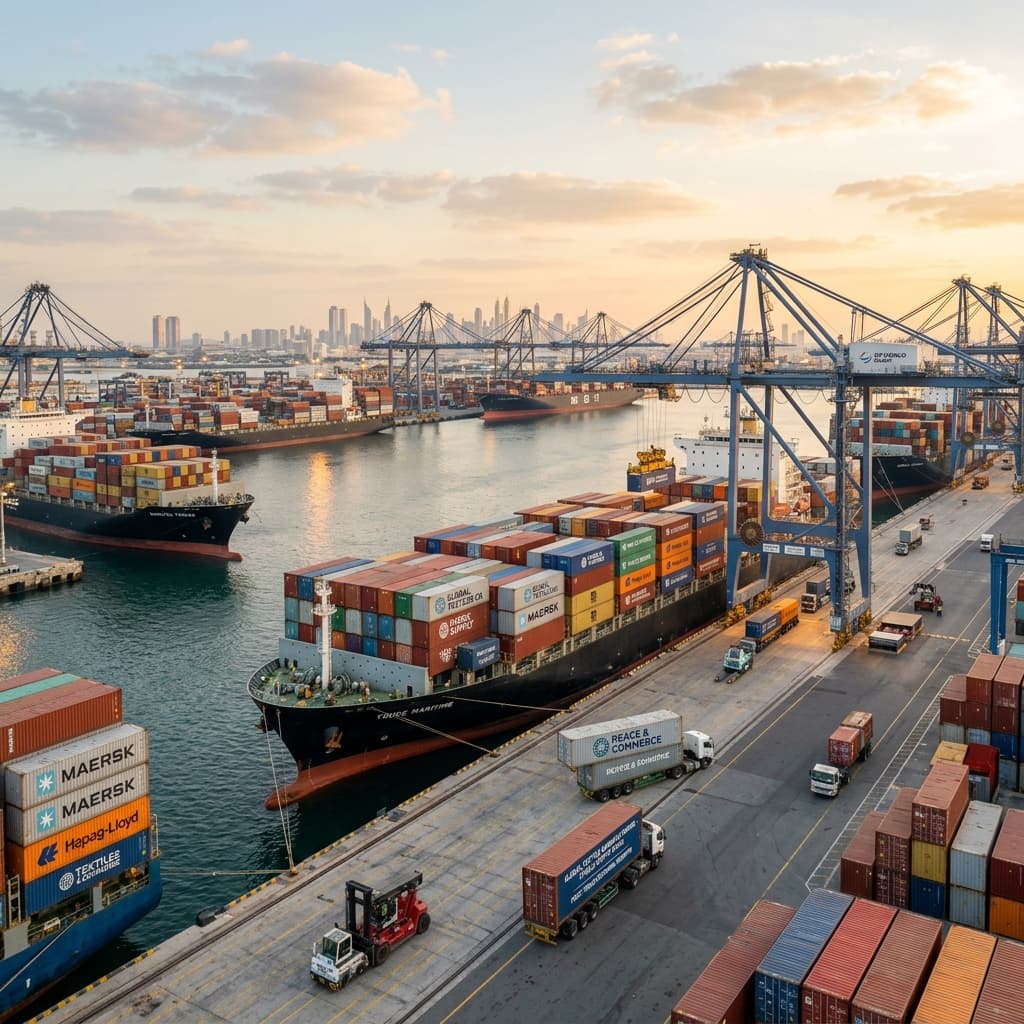
The creation of sustainable textiles is a remarkable feat of modern engineering and logistics. At Weaverine Textile, our Regenerated Polyester begins its life not as raw crude oil, but as post-consumer PET (polyethylene terephthalate) water and soda bottles.
Understanding this journey—from a discarded bottle to a luxurious yard of fabric—highlights the importance of transparency and rigorous supply chain management.
Step 1: Sourcing and Sorting
The process starts with the collection of clear PET bottles. Sorting is crucial; colored or contaminated plastics can compromise the quality and dyeability of the final yarn. We partner with specialized recycling facilities that utilize advanced optical sorting technology to ensure only high-purity clear PET enters our supply chain.
Step 2: Flake Production and Decontamination
Once sorted, the bottles are stripped of labels and caps, then ground into small flakes. These flakes undergo a rigorous hot-wash process to remove any remaining adhesives, dirt, or impurities. This decontamination step is vital for producing food-grade quality flakes, which translate into safe, high-quality textile fibers.
"Traceability is the backbone of our recycled polyester operations. By maintaining strict oversight from the flake stage to the final woven fabric, we guarantee the integrity of our environmental claims."
Weaverine AI Sustainability Assistant

Step 3: Extrusion and Spinning
The clean flakes are melted down and extruded through microscopic holes in a spinneret, forming long, continuous filaments of polyester. This process is highly controlled to ensure the fibers achieve the precise denier and strength required for home textiles.
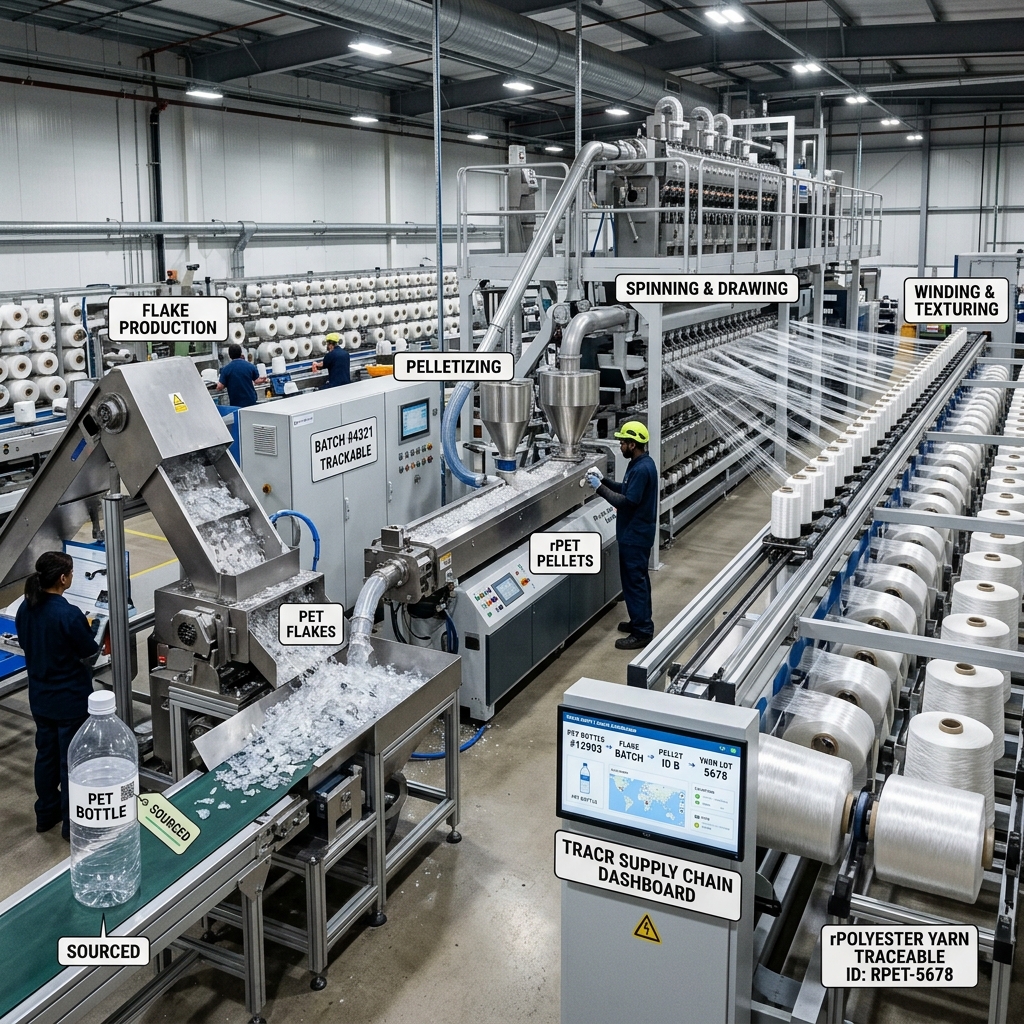
Every batch is tracked to ensure compliance and quality.
Step 4: Weaving and Finishing
The recycled yarn arrives at our Anhui facility, where our 600+ waterjet looms weave it into various fabrics, from durable greige to our signature soft brushed fabrics. Because the regenerated yarn is of such high purity, it responds to our dyeing and functional treatments—such as stain resistance or moisture-wicking—just as effectively as virgin polyester.
This meticulously documented journey is what allows us to maintain strict GRS certification, providing our global partners with verifiable, premium sustainable textiles.
Ready to trace your textiles?
Use the Chat with us button to connect with our AI Assistant for instant quotations and fabric technical data, or contact our sales team directly.