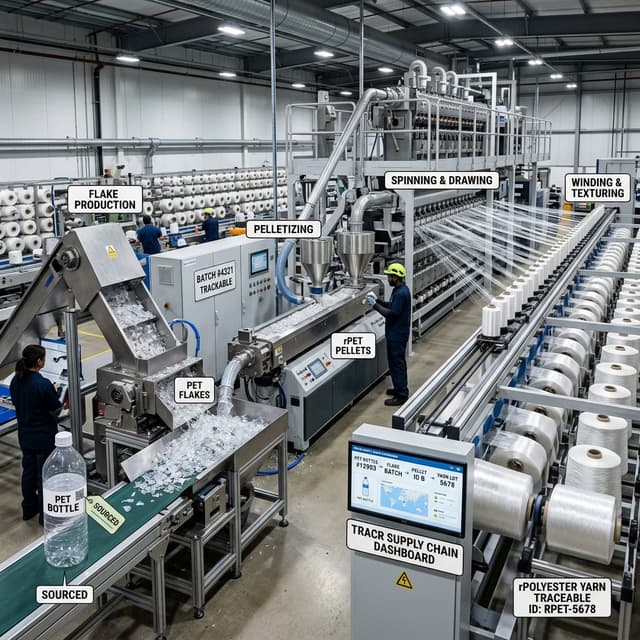
The June 17, 2026 US-Iran memorandum of understanding briefly raised hopes for safer commercial passage through the Strait of Hormuz. That stability did not hold. US government documents report renewed attacks on neutral-flagged commercial vessels from July 6 and the resumption of US strikes on July 7.
By early August, a US Congressional Research Service update said the conflict had abated amid Iran-Oman talks, but it did not describe the route as normalized. On August 12, the International Maritime Organization separately warned operators to assess risk before Red Sea and Gulf of Aden transits after another deadly attack on commercial shipping.
Weaverine Textile, a mill-direct polyester manufacturer operating 650+ waterjet looms, monitors freight, feedstock, and lead-time conditions when planning polyester fabric production and setting quotation-validity periods. Buyers should treat the current market as fluid rather than assume that the June agreement created a low-risk sourcing window.
1. Polyester costs remain exposed to energy and feedstock markets
Virgin polyester depends on petrochemical feedstocks, including purified terephthalic acid (PTA) and monoethylene glycol (MEG). Crude oil influences that cost chain, but PTA, MEG, and polyester yarn do not move one-for-one with oil because regional supply, inventories, plant operating rates, and downstream demand also matter.
Current reporting citing Wood Mackenzie indicates that 2026 disruption around the Strait of Hormuz raised costs for paraxylene, PTA, and MEG, with Asian polyester supply chains particularly exposed. This supports monitoring feedstock markets closely; it does not support promising that fabric prices will stabilize on a fixed timetable.
For buyers, the practical response is to confirm the quotation-validity period, Incoterms, production window, and any raw-material adjustment mechanism before issuing a purchase order.
2. Shipping risk has not normalized
The Strait of Hormuz and the Red Sea-Suez corridor are separate chokepoints, but disruption in either can affect vessel routing, insurance, fuel use, and schedule reliability. The July attacks near Hormuz and the August IMO warning for the Red Sea and Gulf of Aden show why buyers should not assume uninterrupted passage.
For active shipments, ask the forwarder which route the carrier is using, whether war-risk or congestion surcharges apply, how long the freight quote remains valid, and what contingency is built into the delivery window. Route and insurance decisions belong in each shipment plan rather than in a blanket market forecast. For FCL vs LCL trade-offs on these routes, see our shipping guide.
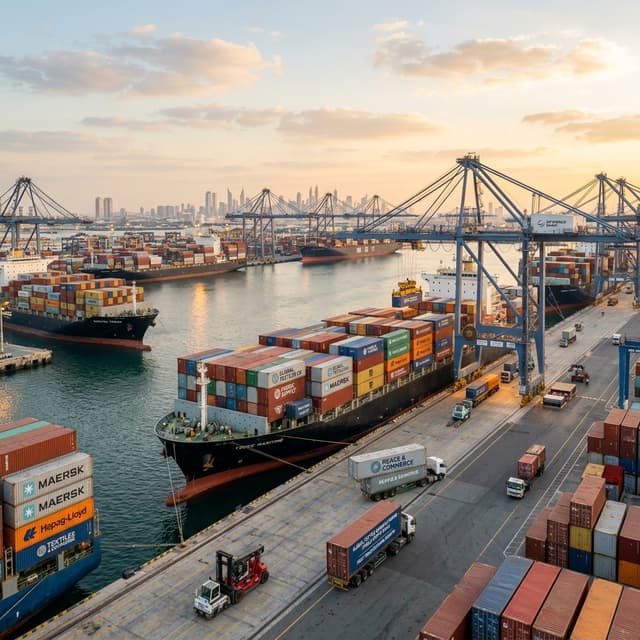
Security, insurance, and carrier decisions can change shipment economics.
3. What textile buyers can control
Weaverine's Wuhe weaving base has daily output above 200,000 meters, but production capacity does not eliminate freight or feedstock risk. Buyers can reduce avoidable uncertainty by locking the fabric specification early, separating production lead time from ocean transit assumptions, and requesting refreshed freight and material pricing before order confirmation.
For Peachskin, Greige Fabric, regenerated polyester, or printed programs, share the required width, GSM, finish, monthly volume, destination, and preferred Incoterms. Our team can then confirm the applicable MOQ, current production window, and quotation-validity period.
To discuss an active sourcing plan, use the Chat with us button for preliminary fabric guidance or contact our sales team for current pricing, production timing, and order confirmation.