As sustainability becomes a central pillar of the home textile industry, procurement teams frequently grapple with the cost implications of switching from conventional to recycled materials. At Weaverine Textile, we produce both high-quality virgin polyester fabrics and Regenerated Polyester, giving us unique insight into the cost dynamics of both supply chains.
The Cost Structure of Regenerated Polyester
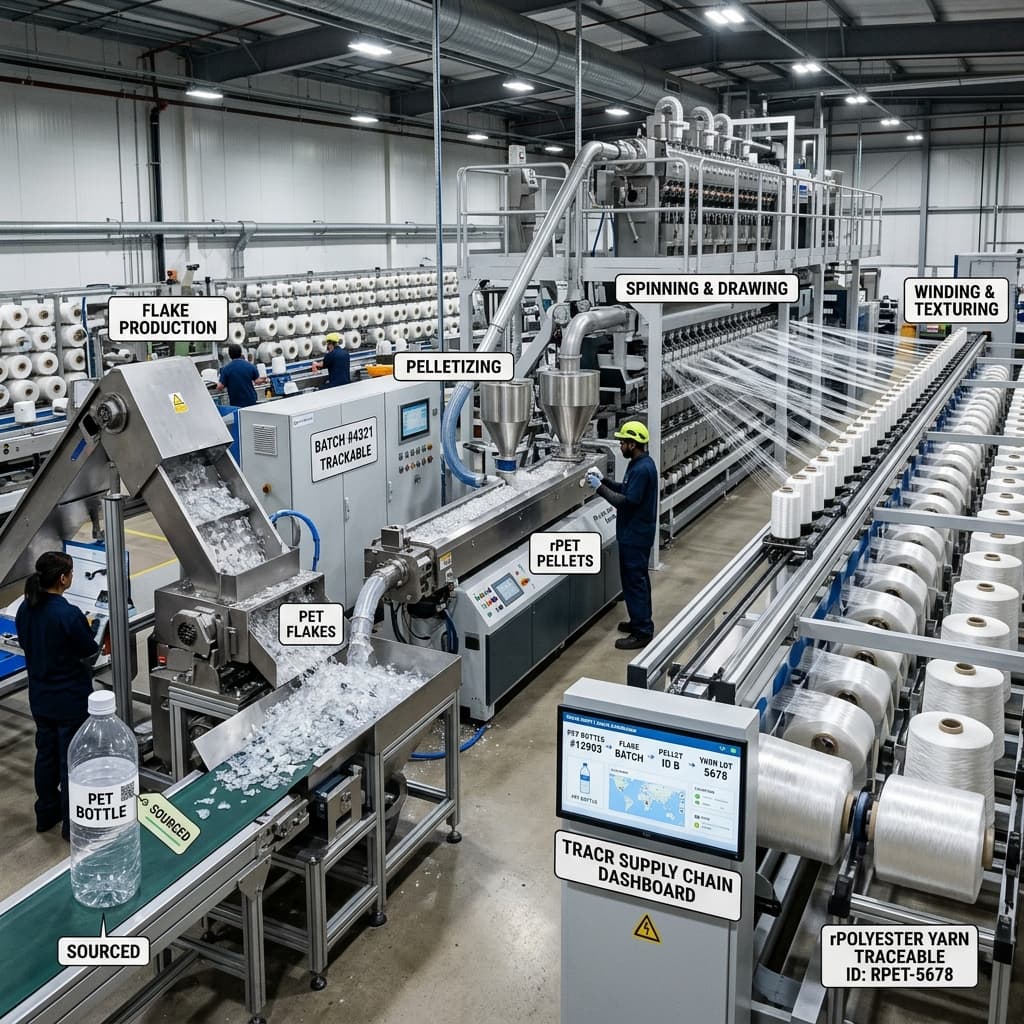
While one might assume that "recycled" means "cheaper," the reality of producing high-quality regenerated polyester is more complex. The production of virgin polyester is highly optimized and heavily dependent on crude oil prices. In contrast, regenerated polyester—often derived from post-consumer PET bottles—requires a distinct and rigorous supply chain.
The Premium of Purity
The collection, sorting, cleaning, and processing of PET bottles into high-quality yarn requires specialized infrastructure. To ensure the fabric meets our strict standards for softness and durability, particularly for sensitive applications like bedding, the raw recycled material must achieve near-virgin purity.
Key Cost Drivers
- Collection and Sorting Logistics: Sourcing consistent, clear PET bottles involves complex logistics and manual or automated sorting, which adds initial overhead.
- Advanced Processing: Transforming flakes into high-quality pellets and subsequently into yarn demands specialized machinery that operates efficiently but requires significant capital investment.
- Certification Maintenance: Maintaining strict chain of custody and securing GRS Certification involves ongoing auditing and administrative costs.
Market Trends and Price Parity
Historically, regenerated polyester carried a significant premium over its virgin counterpart. However, increased production capacity, technological advancements, and economies of scale are narrowing this gap.
Cost Premium of Regenerated vs. Virgin Polyester
Historical and projected cost premium percentage for high-quality recycled polyester fibers.
Narrowing Gap
As the chart illustrates, the cost premium has steadily decreased. For many brands, particularly those targeting the eco-conscious EU market, this shrinking margin makes the transition to sustainable fabrics increasingly viable.
Strategic Procurement
When evaluating costs, brands must consider the holistic value of sustainable textiles. The slight premium for regenerated polyester is often offset by the ability to command higher retail prices, increased brand loyalty, and compliance with emerging environmental regulations.
By partnering with a vertically integrated weaving mill like Weaverine Textile, brands can optimize their procurement strategies, ensuring competitive pricing without compromising on quality or sustainability.
Ready to optimize your sourcing?
Use the Chat with us button to connect with our AI Assistant for instant quotations and fabric technical data, or contact our sales team directly.