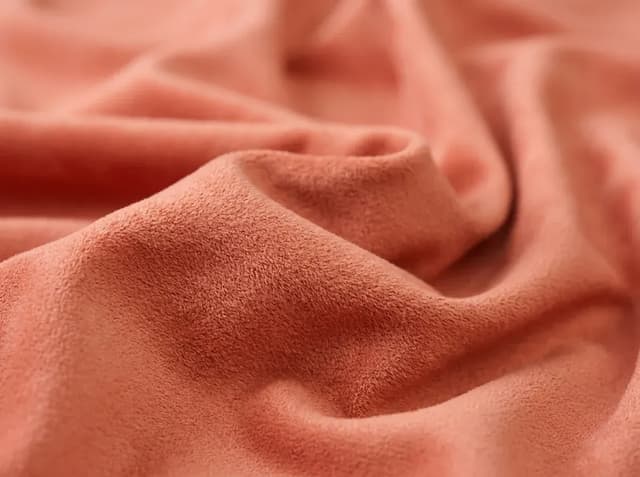
Weaverine supplies 85–120 GSM woven polyester microfiber ticking, quilt-panel base cloths, and breathable TPU-laminating substrates in 210–315 cm seamless widths for commercial mattress manufacturers and hospitality protector converters. While circular double-jacquard knits dominate luxury retail mattress top panels, woven polyester microfiber, embossed pongee, and satin-stripe base cloths power high-volume quilted mattress panels, waterproof TPU-laminated protectors, institutional box-spring dust covers, and zippered allergen encasements.
Sourcing base cloth that delaminates after three 60 °C hotel washes or suffers from adhesive strike-through during hot-melt polyurethane lamination creates costly warranty claims. Below is the mill-direct engineering matrix for specifying woven mattress ticking and protector substrates.
1. Woven Base-Cloth Construction Matrix by Mattress Application
| End-Use Component | Recommended Construction | Yarn Spec (Warp × Weft) | Target Finished GSM | Standard Usable Width | Key Functional Finish |
|---|---|---|---|---|---|
| Quilted Mattress Top & Side Border Ticking | Brushed Twill Microfiber (Peachskin) or Ultrasonic Embossed | 75D/72F × 150D/144F or 100D × 100D DTY | 90 – 115 GSM | 215 – 240 cm | Disperse print / pigment print, anti-pilling, optional FR |
| Waterproof Mattress Protector Top Layer (TPU Substrate) | Plain or 2/1 Twill Microfiber (Single-Side Brushed) | 75D/72F × 150D/144F DTY | 85 – 95 GSM | 240 – 315 cm | Smooth calendered back for 0.015–0.02 mm TPU hot-melt lamination |
| 6-Sided Zippered Bed-Bug & Allergen Encasement | High-Density Plain Weave Microfiber or Pongee | 75D/72F × 75D/72F or 75D × 150D DTY | 80 – 95 GSM | 240 – 300 cm | Tight pore size (< 10 microns) + 0.015 mm TPU film lamination |
| Hospitality Quilted Mattress Pad Shell | Bleached White Microfiber or Satin Stripe | 75D/72F × 150D/144F or 75D × 150D FDY/DTY | 95 – 120 GSM | 240 – 315 cm | Optical white (CIE ≥ 120), 60 °C wash stability (± 2.0%) |
| Mattress Protector Skirt / Side Gusset | Warp-Knit Tricot Mesh or Woven Stretch Pongee | 50D–75D Polyester filament | 70 – 90 GSM | 160 – 220 cm (slit to 35–45 cm) | High recovery for 35–45 cm deep mattress pockets |
| Box-Spring Bottom & Heavy Border Ticking | Minimatt or Basketweave Oxford | 150D × 150D or 300D × 300D DTY | 135 – 180 GSM | 150 – 240 cm | Stiff handfeel, fray-resistant seam hold |
To verify GSM variance across your multi-roll shipments, use the Fabric GSM Calculator.
2. Engineering Woven Base Cloth for TPU Waterproof Lamination
When a woven microfiber or pongee base cloth is laminated to a thermoplastic polyurethane (TPU) membrane via gravure hot-melt reactive polyurethane (PUR) adhesive, three fabric defects cause 90% of commercial rejections:
- Double-Side Brushing Peel Failure: If the lamination-facing side of the fabric is heavily sueded (emergized), loose surface micro-fibrils prevent the PUR adhesive dots from anchoring into the core yarn crossovers. Always specify single-side face brushing with a smooth, lightly calendered back face for TPU lamination substrates.
- Low-GSM Adhesive Strike-Through: Laminating a sub-75 GSM open plain weave allows hot-melt adhesive dots to penetrate to the face side, creating stiff "boardy" handfeel and visible pinholes. Hold base-cloth density at 85–95 GSM minimum with tight warp/weft cover.
- Silicone Softener Migration: Amino-silicone softeners lowers surface energy and causes TPU film peel after 5 industrial wash cycles. Specify hydrophilic non-silicone softener or untreated lamination back prior to PUR coating.
Target Waterproof & Breathability Test Benchmarks
| Performance Property | Standard Test Method | Retail Protector Target | Hospitality / Medical Grade Target |
|---|---|---|---|
| Hydrostatic Head Pressure | ISO 811 / AATCC 127 | ≥ 3,000 mm H₂O (initial & after 5 washes) | ≥ 5,000 – 10,000 mm H₂O (after 20 washes @ 60 °C) |
| Moisture Vapor Transmission (MVTR) | ASTM E96 (Procedure B / BW) | ≥ 800 g/m²/24h | ≥ 1,500 – 3,000 g/m²/24h (hydrophilic monolithic TPU) |
| Dimensional Stability (60 °C Wash) | ISO 6330 / AATCC 135 | ± 2.5% warp & weft | ± 2.0% warp & weft (zero film blistering) |
| Pilling Resistance (Face Side) | ISO 12945-2 Martindale | Grade ≥ 3.5 @ 2,000 rubs | Grade ≥ 4.0 @ 2,000 rubs |
3. Multi-Needle Quilting & Ultrasonic Embossing Considerations
Mattress ticking converters running high-speed multi-needle chain-stitch quilting machines (240 cm–315 cm width) or ultrasonic thermal bonding pins require strict greige and heat-set consistency:
- Zero Bow & Skew (
≤ 1.5%): Weft bow on wide-width striped or geometric printed ticking causes visible pattern drift across the mattress crown. Weaverine's pin-stenter frames with optical weft straighteners lock skew below1.5%. - 100% Polyester Thermal Weldability: For threadless ultrasonic quilted mattress pads (bonding face microfiber + polyester wadding + non-woven or tricot backing),
100%polyester filament yarns deliver clean, high-tensile thermal weld points without scorching. - Wide-Width Roll Cutting Yield: Using 280 cm to 315 cm finished rolls eliminates center piecing on King and Super King mattress shells. Check your exact panel yield in the Fabric Width & Cut Efficiency Calculator.
4. Chemical Compliance & Sustainability Verification
Because mattress protectors and ticking sit in direct proximity to sleepers (and infant crib mattresses require the strictest chemical limits), global buyers require verifiable lab credentials:
- OEKO-TEX® Standard 100 Appendix 6: Weaverine's manufacturing entity (
Anhui Wurun Textile Co., Ltd.) is certified under OEKO-TEX® Standard 100 Appendix 6—the stricter human-ecological limit tier covering restricted substances and perfluorinated compounds. - GRS Certified Recycled Polyester (rPET): Available across 85–115 GSM microfiber and pongee base cloths (
TE-00016096/ Scope CertificateKCB-TE-00016096-GRS-2512). Read our step-by-step guide on How to Verify OEKO-TEX® and GRS Certificates.
5. Mill-Direct MOQs & Lead Times
- Bleached White & PFD Base Cloths (85–120 GSM, 210–315 cm): 2,000 meters per width/GSM construction;
15–20days production. - Piece-Dyed Solid Colors or Satin Stripe Ticking: 1,000–2,000 meters per color (
5,000 mfor custom jacquard/dobby stripe weaves). - ** TPU Lamination (0.015 mm / 0.02 mm Milky or Clear Breathable Film):** 3,000 meters per width; shipped on crease-free heavy-wall export tubes.
Request Mattress Ticking & TPU Protector Swatches or compare related bedding constructions in our Hotel Bedding Fabric Specifications Guide and Microfiber Bedding GSM Guide.