Skip to content
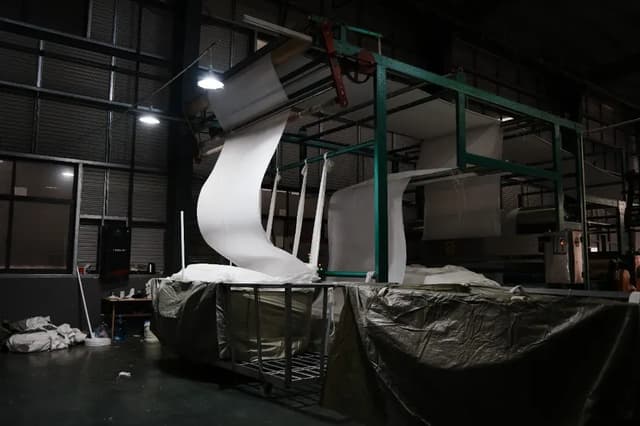
Rows of waterjet looms running white cloth in a weaving shed

Weave Family Hub · Plain / Twill / Satin / Dobby · Mill PO Guide

Fabric Weaves

Plain, twill, satin, dobby—mapped to bedding, curtain, and upholstery programs with mill PO fields, not generic definitions.

Include width, GSM, monthly meters, and destination for a faster mill reply.

Plain · Twill · Satin · Dobby
Weave Families
160–330 cm
Greige Width
55–120 GSM
Greige GSM
5,000 m/spec
Custom Floor
  • 650+ waterjet looms
  • 200,000+ m/day capacity
  • 73M+ meters woven per year
  • Mill-direct B2B export

Weave Family Hub · Plain / Twill / Satin / Dobby · Mill PO Guide

Pick the weave plan before the color

Every woven program starts with the interlacing plan. This hub maps plain, twill, satin, and dobby—plus the specialty variants buyers actually ask about—to end uses, then routes each construction to its term page for specs and PO fields.

  • Plain, twill, satin, dobby + basket, oxford, leno, pique in one map
  • Stolen-query coverage: weave patterns, woven cloth/fabric/material, twill material, stripe terms
  • Each family links to its term page—no duplicated spec tables
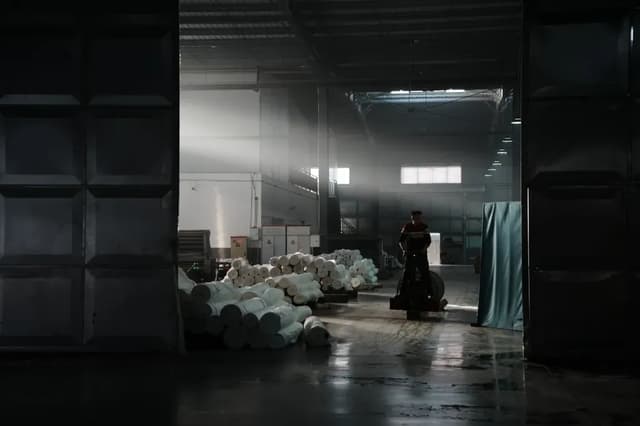
A worker operating the fabric rolling machine, with finished rolls on pallets behind

Weave families at a glance

Weave families at a glance. Exact numbers belong on the term page and the PO—ratios, GSM, and width move by program.

ParameterRange / Note
Plain weave1/1 over-under · stable two-sided face
Twill weave2/1, 2/2, 3/1 · diagonal wales · face/back differ
Satin weave4/1+ long floats · lustrous face · snag-aware
Dobby weaveSmall programmed figures · 5,000 m/spec custom
Greige base160–330 cm · 55–120 GSM · plain/twill stock
Satin stripeWoven sheen bands · 5,000 m/spec

Stock greige covers plain and twill bases; satin stripe and dobby figures are custom programs. Confirm construction on a woven sample.

Hub or term page—which do you need?

1

Start from the weave when

The face, hand, and stability of the cloth drive the program—before color, print, or finish enters the quote.

  • Bedding or curtain grounds where stability vs drape decides the SKU
  • Upholstery bases where texture must survive abrasion, not just photograph well
  • RFQs that name a weave but leave fiber, GSM, and width open

2

Start from the product when

The end use already fixes the construction—or you only need one weave family explained.

  • Peachskin hand is the brief (brushing, not weave, is the story)
  • You already hold an approved weave and need stock greige or a finish route
  • A single construction question belongs on its term page, not a hub

How industrial buyers usually work with us

  1. 01

    Share the program

    Product lane (greige, peachskin, print…), target width/GSM, monthly meters, and destination market.

  2. 02

    Sample or stock check

    We confirm stock greige or a sample path before you lock color, print, or finishing MOQs.

  3. 03

    Quote the production lane

    Mill-side response on feasibility, MOQ tier, and next steps—not a generic catalog email.

One hub, four plans, zero ambiguity

Weave patterns are interlacing plans, not decorations applied later. Plain 1/1 locks the face; twill offsets floats into diagonal wales; satin floats long for luster; dobby programs small figures into the cloth. Pick the plan first—then freeze fiber, GSM, and width on the term page.

01

Woven cloth, woven fabric, woven material—same idea

Cloth made by interlacing warp and weft on a loom, as opposed to knit or nonwoven. Define woven and woven define point here: every construction below is a woven plan.

02

Weave patterns: plain, twill, satin, dobby

Plain 1/1 for stable grounds; twill 2/1 and 2/2 for diagonal face and softer drape; satin long floats for luster (snag-aware); dobby small figures without full jacquard cost. Weave designs is the same family viewed as merchandise.

03

Stripe questions resolve to weave or color

Cloth stripe, stripe cloth, and stripe definition usually mean a color stripe (yarn-dyed or printed) or a weave stripe (satin stripe bands on a plainer ground). Say which the RFQ means—plus band width for satin stripe, woven at 5,000 m per specification.

Simple & Transparent Process

How We Work

From inquiry to delivery, we guide you through every step with transparency and professionalism.

01

Inquiry & Consultation

Share your requirements—fabric type, width, weight, color, and quantity. Our team provides expert guidance and initial quotations within 24 hours.

02

Sampling & Approval

We send free fabric samples for your evaluation. For custom colors or patterns, we create lab dips and strike-offs for your approval before production.

03

Order Confirmation

Once specifications are finalized, we confirm pricing, lead time, and payment terms. A proforma invoice is issued for your review and deposit.

04

Production & QC

Our 650+ waterjet looms begin production. Rigorous quality control at every stage—from yarn inspection to final fabric testing—ensures consistent quality.

05

Pre-Shipment Inspection

Before shipping, we conduct comprehensive inspections including weight, width, color fastness, and tensile strength. Third-party inspection available upon request.

06

Shipping & Delivery

We handle all export documentation and logistics. Track your shipment in real-time. Our team remains available for after-sales support.

Ready to Start?

Get in touch with our team to discuss your fabric requirements.

What each weave family gives your program

Plain 1/1 stable grounds

Maximum interlacing, firm two-sided face—sheeting, shirting bases, greige stock programs. Plain weaving, plain weaves, and plain weave garments all start here.

Twill diagonals with drape

Offset floats form wales; denser packing, softer hand. Twill material, twill weave cotton, and cotton twill material are the same plan plus a fiber note.

Satin luster, dobby figures

Long floats for sheen bands; dobby heads for small geometric texture. Define dobby, dobby meaning, and what is dobby resolve on the dobby term page.

Mill truth behind the names

650+ waterjet looms weaving 100% polyester home textiles—plain and twill greige at 160–330 cm, 55–120 GSM. Constructions, not marketing names, go on the PO.

Ready for a mill-side quote on this program?

Who this landing is built for

Where each weave fits

Bedding grounds

Plain 1/1 stability for sheeting; twill when the brief wants body; satin stripe bands for tone-on-tone sheen. GSM 55–120 greige, finished to program.

Curtain sheers and drapes

Leno open mesh for sheers; plain or twill bases for printed drapes. Railroad drop from 160–330 cm greige width.

Upholstery bases

Denser twill packing or dobby texture where abrasion matters. Approve the construction sample, not a product photo.

greige-fabric

Frequently asked questions about fabric weaves

Quote your woven program now

Tell us end use, weave family, fiber, GSM, width, and monthly meters. We confirm stock greige or quote a custom weave program—mill-direct, with a woven sample as the bulk reference.

Include width, GSM, monthly meters, and destination for a faster mill reply.