Printed textile pattern

Disperse Rotary · Grade 3–4 · 5,000 m MOQ · Digital No MOQ

Rotary Print Polyester Fabric

Locked designs. Industrial cost-per-meter. Strike-offs that track bulk. Disperse rotary on mill-woven polyester—plus digital with no MOQ while artwork is still moving.

Helpful to have ready: product type, width / GSM, monthly volume, destination.

600+
Waterjet Looms
200K+ m/day
Daily Output
Rotary / digital
Print Routes
5,000 m/design
Rotary Print MOQ
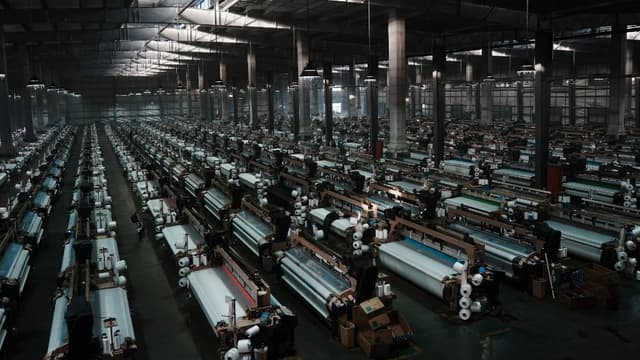
  • 600+ waterjet looms
  • 200K+ m/day capacity
  • 160–330 cm greige widths
  • Mill-direct B2B export

Is rotary the right print route for your line?

1

Choose disperse rotary when

The design is locked, reorders are expected, and program cost-per-meter decides the win.

  • Repeat bulk runs of the same curtain or bedding design
  • Industrial meters where Grade 3–4 fastness is the program standard
  • You can meet 5,000 m per design MOQ for rotary setup

2

Choose digital when

You are still sampling, testing markets, or need multi-color complexity without screen setup.

  • No-MOQ strike-offs and short commercial runs
  • Frequent design changes before the collection freezes
  • Speed to sample over lowest bulk cost

Disperse Rotary · Grade 3–4 · 5,000 m MOQ · Digital No MOQ

When reorders decide the win—print on a mill-woven base

Brokered print bases shift shade and hand between sample and container. If your curtain or bedding design will run again and again, disperse rotary is the industrial path: Grade 3–4 color fastness, 5,000 m per design MOQ, cost structure built for volume. Weaverine weaves the polyester greige in-house on 600+ waterjet looms, then routes the same base into rotary or digital—so bulk stays closer to the strike-off you approved.

  • Disperse rotary for locked bulk—Grade 3–4, 5,000 m MOQ per design
  • Digital print with no MOQ for sampling, short runs, and complex artwork
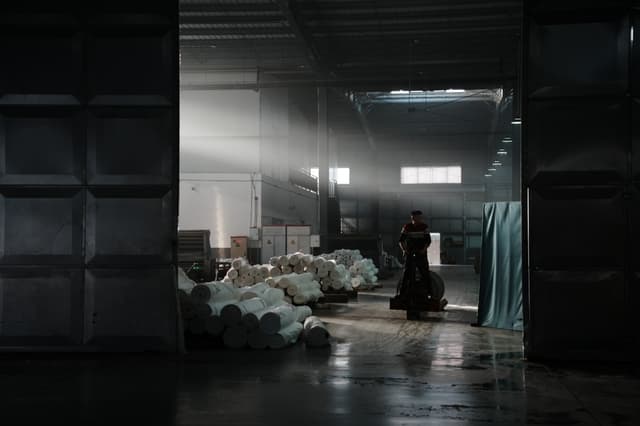
  • Mill-woven greige under the same ownership as print and finishing
Drapery and curtain fabric hang

Print quality starts at the loom—not at the screen only

Registration, hand feel, and shade stability depend on a consistent greige base—width, GSM, and tension. Print capacity alone without weaving control often inherits greige drift from multiple sources. Weaverine’s 600+ waterjet looms feed disperse rotary and digital under one mill-direct chain—so industrial buyers keep bulk closer to approved strike-offs.

01

Greige you control before color

Widths planned from 160–330 cm greige support curtain and bedding print panels—base first, then design.

02

Strike-off before rotary volume

Approve color and design on mill strike-offs before committing 5,000 m rotary setups—especially when digital sampled first.

03

Finish stack on the same chain

Solid dye, emboss, or functional treatments can follow print when the program needs look and performance together.

How industrial buyers usually work with us

01

Share the program

Product lane (greige, peachskin, print…), target width/GSM, monthly meters, and destination market.

02

Sample or stock check

We confirm stock greige or a sample path before you lock color, print, or finishing MOQs.

03

Quote the production lane

Mill-side response on feasibility, MOQ tier, and next steps—not a generic catalog email.

What you walk away with when you quote Weaverine

Mill-woven print base

Greige from 600+ waterjet looms—not anonymous base cloth that surprises you on bulk shade and hand.

Clear strike-off path

Approve color and design before rotary setup. Digital sample → rotary bulk with an explicit color-match step.

Route matched to volume

Disperse rotary Grade 3–4 at 5,000 m/design for locked programs; digital no MOQ while artwork is still moving.

One chain for greige, print, finish

Same ownership from loom through print and optional emboss or functional finish—fewer handoffs, cleaner reorders.

Program specs we quote against

Share end use, design stage (strike-off vs bulk), base GSM/width, and monthly meters—MOQ and lead time firm up on the construction you run.

ParameterRange / Note
Base clothMill-woven polyester greige
Primary bulk printDisperse rotary screen (Grade 3–4)
Sampling / complex artDigital print Grade 4–5 (no MOQ)
Rotary MOQ5,000 m per design
Width planningGreige 160–330 cm
Buyer typeB2B brands, importers, converters

Digital print has no MOQ. Rotary / disperse print MOQ is 5,000 meters per design. Share design intent, base GSM/width, and monthly volume for a firm mill quote.

Still lining up specs? Chat with Weaverine about MOQ, width, and sampling before you lock a PO.

Who this landing is built for

Who scales bulk polyester print with mill-direct control

Curtain & drapery print programs

Wide-width greige planning plus disperse rotary for designs that re-order season after season.

Bedding collection teams

Volume print on mill base—digital for launch samples, rotary when the design freezes.

Importers consolidating suppliers

One mill for greige, solid dye, and print—simpler QC and commercial terms.

Converters needing industrial MOQ clarity

5,000 m per design on rotary; no minimum on digital—plan meters without guesswork.

Open curtain fabric landing page

Weaverine quotes faster when you include width, GSM, monthly meters, and destination market.

Frequently asked questions about rotary print fabric

Quote your print program—then scale the meters

Tell us end use, approximate width/GSM, design stage (strike-off vs bulk rotary), monthly meters, and market. We respond with MOQ, route, and a mill-direct print program quote—so the strike-off you approve is the bulk you ship.

Weaverine quotes faster when you include width, GSM, monthly meters, and destination market.

Helpful to have ready: product type, width / GSM, monthly volume, destination.