Skip to content
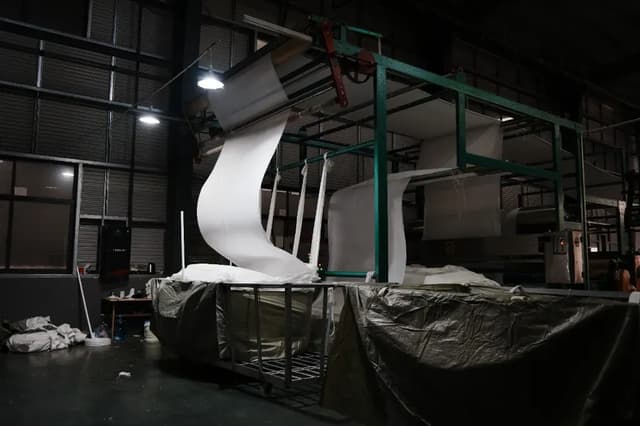
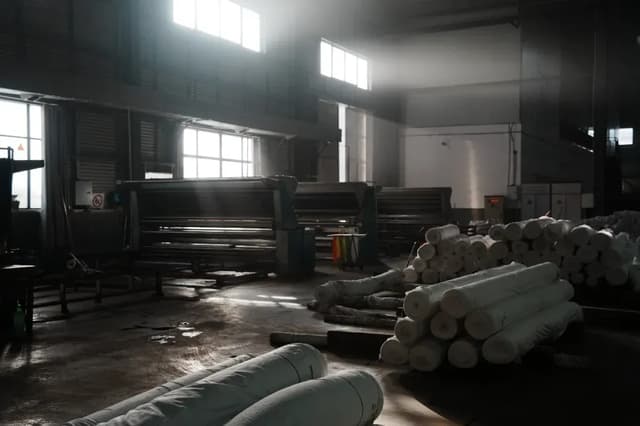
Rows of waterjet looms running white cloth in a weaving shed

Water-Repellent Finish · Laminate Available · Mill-Direct

Waterproof & Water-Repellent Polyester

Water-repellent polyester with a C6 finish, and a laminated barrier route where the spec needs one — woven mill-direct on 650+ waterjet looms, with the test standard confirmed before quotation.

Include width, GSM, monthly meters, and destination for a faster mill reply.

650+
Waterjet Looms
C6, Grade 4+
Repellency
150–315 cm
Widths
PA / PU / TPU
Barrier Route
  • 650+ waterjet looms
  • 200,000+ m/day capacity
  • 73M+ meters woven per year
  • Mill-direct B2B export

Repellent and waterproof are different tests, not different words

Most waterproof enquiries are really two different products. A water-repellent finish is a surface treatment: water beads and rolls off, the cloth still breathes, and the claim is measured by the AATCC 22 spray test. A waterproof barrier is a film — a PA coating or a PU/TPU laminate — that blocks liquid entirely, and the claim is measured by hydrostatic head under ISO 811. Confusing the two is the most expensive specification mistake in this category: a spray-rated cloth will soak through under standing water, and a laminated cloth will not breathe the way a DWR finish does.

01

Spray rating measures beading, not blocking

AATCC 22 grades surface wetting from 0 to 100. Our C6 stain-resistant finish holds Grade 4+ and is tested to 30+ washes. That is a repellency claim, and it is the right claim for table linen and bedding — not for a tent.

02

Hydrostatic head measures the barrier

ISO 811 / AATCC 127 pressurise water against the cloth and report the height it resists, in millimetres. 800 mm is light rain; 5,000 mm is sustained rain. The figure comes from a test on your cloth, so we confirm it per order against the standard you specify.

03

Lamination is the step that changes the product

Weaving alone cannot make a barrier — a woven fabric is not a membrane. Lamination bonds a film to the reverse and is what turns a water-repellent woven into a waterproof one. We have that capacity; the head is confirmed against your order.

Water-repellent or waterproof — which one does your spec need?

1

You need water-repellent when

The cloth has to shed rain and spills but stay breathable, and the water never sits on it under pressure.

  • Table linen, napkins, and hotel bedding that must wash 30+ times
  • Shower curtains, liners, and bathroom textiles
  • Mattress protectors and children's bedding where breathability matters
2

You need a waterproof barrier when

Liquid is held against the cloth, or the end use is outdoors and the fabric must not pass water at all.

  • Tent flysheets, awnings, and outdoor covers
  • Bags, luggage, and equipment covers
  • Any spec that names a hydrostatic head in mm

Water-Repellent Finish · Laminate Available · Mill-Direct

Two products, one word — get the route right first

Water resistance is the most mis-specified property in home textiles, because two different products share one word. A water-repellent finish is applied at finishing and measured by spray rating; a waterproof barrier is a film bonded to the cloth and measured by hydrostatic head. Weaverine weaves polyester on 650+ waterjet looms in widths from 150 to 315 cm, applies C6 water-repellent finishing with 30+ wash durability, and has lamination capacity for the barrier route. The right one for your order follows from whether water sits on the cloth or only falls on it.

  • C6 water-repellent finish, Grade 4+ spray rating, 30+ washes
  • PA coating and PU/TPU lamination for the barrier route
  • 650+ waterjet looms, finished widths 150–315 cm
  • The test standard named and confirmed before quotation
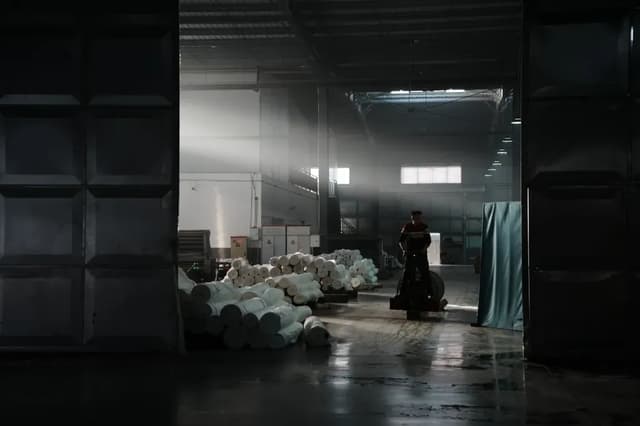
A worker operating the fabric rolling machine, with finished rolls on pallets behind

What the quotation confirms

The route is chosen from the end use

We ask whether water sits on the cloth or only falls on it. That single question decides DWR, PA coating, or laminate — and it is the question most enquiries skip.

The standard is named before the quote

Tell us whether your buyer tests to AATCC 22, ISO 4920, ISO 811, or AATCC 127. The claim we can support depends on which one governs the order.

Substrate and finish are quoted together

A tight plain weave holds a droplet that never reaches the interstice. Taffeta and pongee are the practical substrates; a loose or brushed face passes water whatever the finish.

No figure we cannot test

We do not publish a hydrostatic number we have not measured on the cloth you are ordering. Where a buyer needs a figure, it is confirmed against the specified standard at quotation.

What we quote against

Share the end use, whether the water sits on the cloth or only falls on it, target GSM and width, monthly volume, and the test standard your buyer requires. The route and the claim both follow from those answers.

ParameterRange / Note
Composition100% Polyester
Finished width150 cm - 315 cm
Weight60 - 140 g/m²
Repellent finishC6 fluorocarbon, Grade 4+ spray
Wash durability30+ washes
Barrier routePA coating, PU or TPU laminate
Hydrostatic headConfirmed per order to ISO 811 / AATCC 127
MOQ5,000 m per specification

Water-repellent finishing is C6 fluorocarbon, Grade 4+ on the AATCC 22 spray test, tested to 30+ washes. Barrier routes are PA coating or PU/TPU lamination; the hydrostatic head is confirmed per order against the standard you specify (ISO 811 or AATCC 127). Finished widths run 150–315 cm. Mill-direct from Weaverine.

How industrial buyers usually work with us

01

Share the program

Product lane (greige, peachskin, print…), target width/GSM, monthly meters, and destination market.

02

Sample or stock check

We confirm stock greige or a sample path before you lock color, print, or finishing MOQs.

03

Quote the production lane

Mill-side response on feasibility, MOQ tier, and next steps—not a generic catalog email.

Spec tools

Change density, denier, colour, and finish on a drawing — not a mill photo.
A live converter using the same 33.906 factor on this page.
Quick centimetre / inch check for common mill widths.

Where each water route fits

Home-textile brands and importers

Table linen, bedding, and bathroom textiles where a wash-durable repellent finish is the requirement and breathability matters.

See the brief

Outdoor and equipment programmes

Covers, bags, and awnings where the spec names a hydrostatic head and the cloth must not pass water.

See the brief

Converters adding the barrier downstream

Greige or finished water-repellent cloth bought as the base, with lamination handled by your nominated partner.

See the brief

Buyers who need the standard named

Programmes where the claim has to match a test report — we confirm which standard governs before quoting.

See the brief

Waterproof and water-repellent fabric questions

Quote the right water route for your program

Tell us the end use, whether the water sits on the cloth or only falls on it, target GSM and width, monthly meters, and the test standard your buyer requires. We confirm which route fits — DWR finish, PA coating, or PU/TPU laminate — and quote the program.

Include width, GSM, monthly meters, and destination for a faster mill reply.