2026 Textile Mid-Year Trends: Upstream Insights from the Mill
As the second half of 2026 begins, current inquiries to Weaverine show some home-textile buyers revisiting product requirements, order timing, and material choices. Production planning across 650+ waterjet looms and more than 200,000 meters of daily output gives us a direct view of the programs being discussed with our team.
The observations below come from Weaverine’s inquiry and production pipeline; they are not a market-wide survey. They identify four themes sourcing teams may want to examine in the second half of 2026.
1. More specific recycled-content requirements
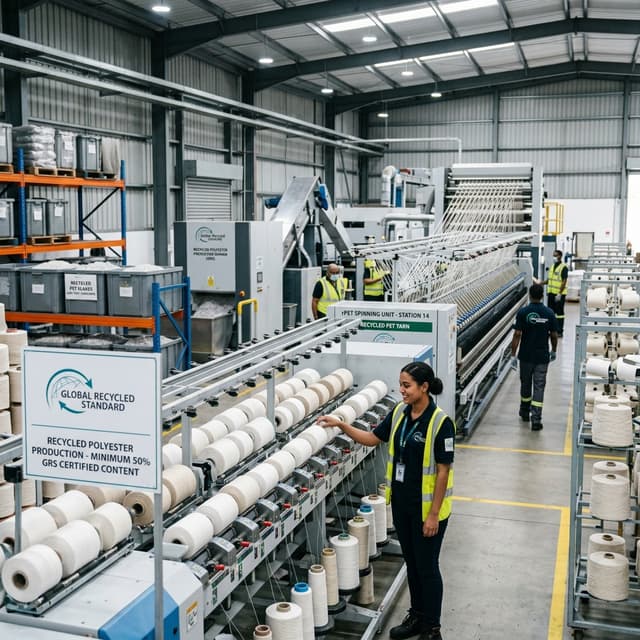
Some European and North American inquiries now arrive with more specific requirements for recycled content, chain-of-custody documentation, and certification scope. That makes Regenerated Polyester relevant where the buyer’s product and compliance brief calls for it.
The Global Recycled Standard verifies recycled content and chain of custody while also addressing social, environmental, and chemical requirements. It does not make a fabric suitable for every program by itself: buyers should still confirm the certified organization, transaction-certificate path, recycled-content requirement, construction, and finish.
2. Functional finishes appear more often in briefs
Alongside color, hand feel, and price, some current briefs ask suppliers to discuss performance finishes for bedding, curtains, or upholstery.
At Weaverine, stain-resistant treatment is the most commonly discussed functional option. Moisture-wicking, antibacterial, anti-mite, wrinkle-resistant, and other treatments may also be considered depending on the end use. Buyers should define the required test method, performance threshold, wash durability, and restricted-substance requirements before sampling.
3. Closer scrutiny of capacity and continuity
Current buyer conversations place visible emphasis on owned equipment, realistic lead times, repeat-order capacity, and clarity about which processes are performed by the supplier or by downstream partners.
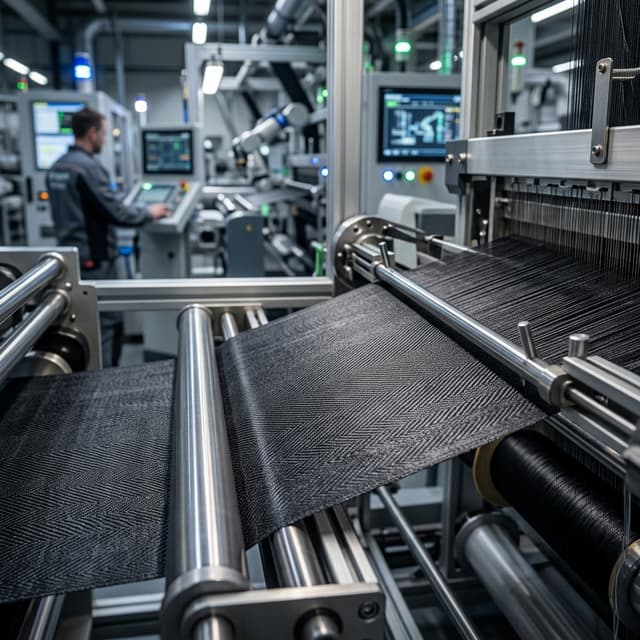
Weaverine’s annual output is 73M+ meters, with greige fabric weaving and multiple finishing routes available for home-textile programs. Capacity is still specification-dependent, so buyers should confirm width, GSM, finish, MOQ, and production timing for each order rather than rely on headline output alone.
4. Continued interest in surface texture
Embossed surfaces continue to appear in inquiries for curtains, bedding, and decorative home textiles. Embossed Geometric and Embossed Floral constructions offer visual and tactile variation without changing the underlying fiber composition.
Embossing performance depends on the base fabric, pattern, heat-setting conditions, and care requirements. Buyers should approve the texture on the intended construction and test appearance retention to the wash or care protocol required by the final product.
Planning for Q4 and Beyond
As you prepare upcoming programs, treat these themes as questions for the RFQ rather than universal market conclusions. Recycled-content documentation, functional performance, production continuity, and texture should each be confirmed against the intended product and destination market.
Contact our team to discuss how these requirements affect your fabric specification, MOQ, sampling route, and production timing. For the January outlook these themes grew out of, see home textile trends 2026.