Greige Fabric Meaning: Loom-State Goods vs PFD
Greige fabric (also grey or gray fabric) is unfinished cloth straight from the loom—before bleaching, dyeing, printing, or finishing. It is not the same as PFD dye-ready cloth.
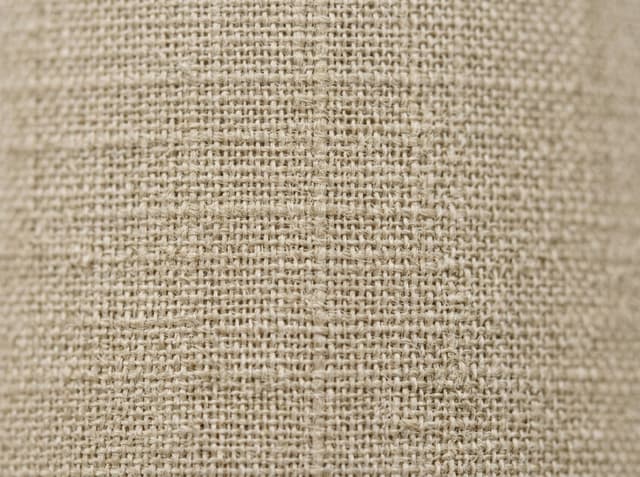
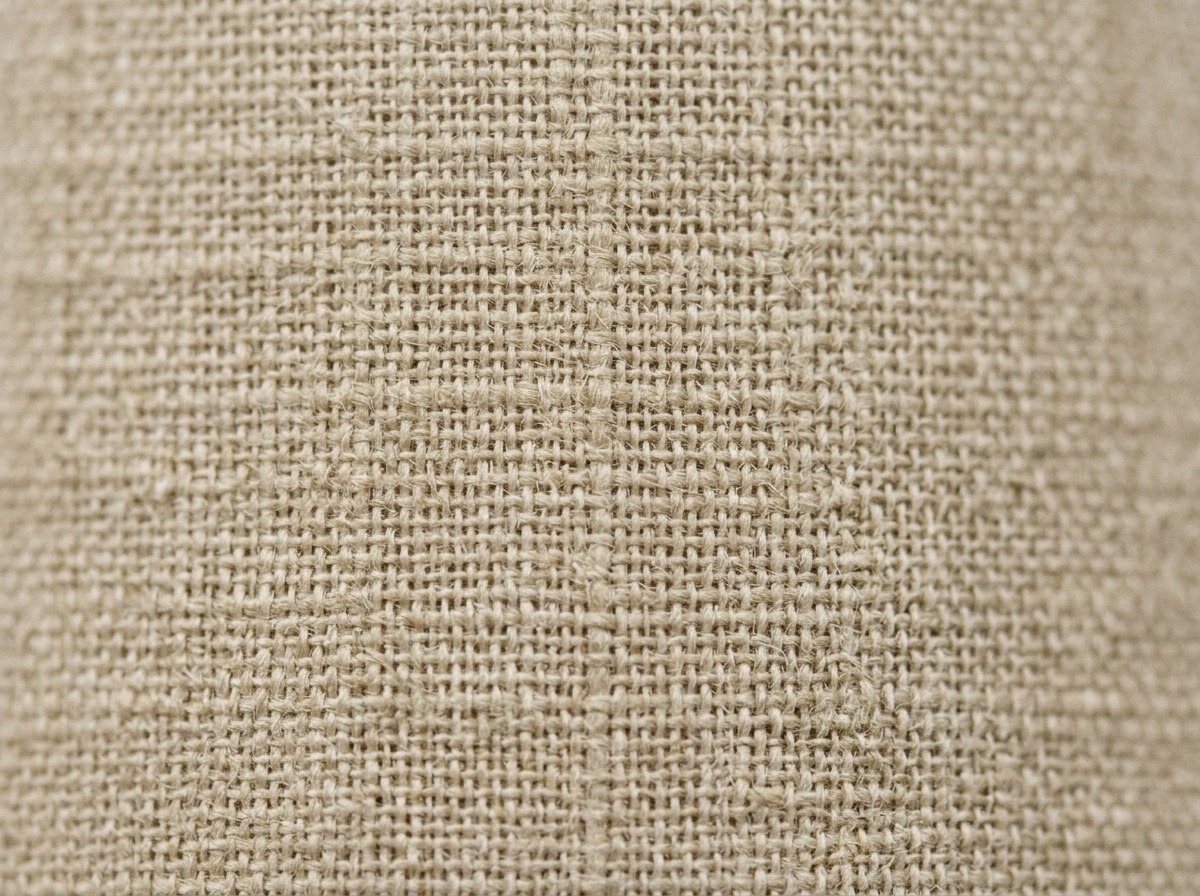
What is greige fabric? It is loom-state (unfinished) cloth—woven or knitted base that has not yet been bleached, dyed, printed, or given a functional finish. The professional spelling is greige (said like “grey”); buyers and mills also say grey fabric, gray fabric, grey cloth fabric, greige cloth, loom-state / loomstate, or unbleached fabric. It is the foundation stage of the supply chain—not a finished product you cut into bedding without further processing.
Greige vs PFD vs a finished shade
Program photographs of similar constructions — not one roll shot at three stages.
01Greige (loom-state)
Unfinished cloth. Sizing and oils may still be on the yarn.
 02
02PFD / prepared white
Scoured and usually bleached so the next plant can dye or print.
 03
03Finished color
A shade after dye. Do not write this stage as greige or PFD.
Greige fabric — quick answers
What is greige fabric?
Loom-state, unfinished cloth — before bleaching, dyeing, printing, or finishing. Buyers also say grey fabric, gray fabric, or greige goods.
Is greige fabric the same as PFD?
No. Greige is still unfinished. PFD and RFD are later stages after scouring and bleaching prepare the cloth for color.
Spelling: greige, griege, greigh
Greige is the correct mill and textile spelling — pronounced gray. Two misspellings are common enough in buyer emails and RFQ threads to be worth naming, because they usually mean the same fabric:
| Spelling | Verdict |
|---|---|
| greige | Correct. The trade and mill spelling |
| grey / gray fabric | Correct regional and general-English variants |
| griege | Common misspelling |
| greigh | Common misspelling |
If a specification arrives as griege or greigh, it is almost always this fabric — the word is routinely re-typed from memory. Confirm the weight and width before treating it as anything other than a spelling slip.
Greige fabric meaning (grey / gray fabric)
In trade English, greige, grey, and gray usually point to the same stage: cloth as it leaves the loom, before wet preparation and color. Spelling differs by region and habit; the PO should still say loom-state / greige and list fiber, weave, width, and GSM so nobody substitutes dye-ready cloth by mistake.
“Greige color” in fashion sometimes means a beige-grey shade. That is a color name, not a processing stage. If you mean unfinished base cloth, write greige / grey fabric (loom-state)—not only a color word.
Greige goods meaning, loomstate, and unbleached fabric
Greige goods (also grey goods) is the trade name for cloth at this unfinished stage—the goods themselves, not a fashion color. Loomstate and loom-state are the same idea: fabric still in the condition it left the loom. Unbleached fabric is a common buyer phrase for greige when the next concern is whitening; it is accurate for the stage, but still write greige / loom-state on the PO so the mill does not ship PFD by assumption.
What greige is—and is not
When fabric leaves the loom, it still carries the natural color of the fiber plus sizing, oils, or other residues from weaving. Polyester greige often looks slightly off-white or cream.
| You need… | Specify… | Not… |
|---|---|---|
| Loom-state base for your own finishing line | Greige | Calling it “PFD” without preparation |
| Cloth ready to take dye soon | PFD / RFD | Greige without a preparation plan |
| Mill-direct greige stock and MOQ | Greige product | A definition-only page for commercial terms |
Greige ≠ PFD. PFD and RFD are stages after scouring and bleaching prepare the cloth for color. Buyers who need loom-state base cloth should ask for greige; buyers who need dye-ready cloth should specify PFD/RFD and the tests. See greige vs PFD vs RFD.
Greige fabric types buyers usually mean
“Types” in RFQs almost always means construction family, not fashion taxonomy:
- Fiber — e.g. 100% polyester greige for home-textile programs
- Weave — plain or twill (and others when specified)
- Width / GSM — freeze both; they drive yield and hand
- End-use intent — bedding, curtain, upholstery base (finishing path differs)
On Weaverine polyester greige programs, common commercial ranges are 160–330 cm width and 55–120 GSM, with shrinkage managed for downstream wet processing (targets belong on the order).
What greige fabric looks like
Greige is named for the stage, not a fashion beige. Appearance follows fiber and weave:
- Polyester greige is usually a slightly off-white or cream face. Synthetic goods often look cleaner than cotton at the same stage.
- Cotton greige (when that is the fiber) is more often a natural beige / off-white.
- The face can show sizing, oil spots, or a slightly dull hand. That is expected at loom-state—not a finished hand feel.
If someone is asking “what color is greige fabric?” for a PO, they usually mean unfinished, not a paint chip. Write loom-state / greige plus fiber so nobody ships a dyed beige.
What to inspect on greige (before you dye)
Color and finish do not hide construction. On greige, look for issues that will show up later in solid dye or print:
- Missing ends / floats / broken picks
- Density or sett variation across the piece
- Oil, rust, or handling stains
- Width variation vs the quoted cuttable width
- GSM / roll-to-roll inconsistency on the same construction
Approve or reject the base here. A later lab dip on a different construction will not tell you if this greige lot is sound.
Why greige quality matters
The construction you freeze at greige—width, weave, GSM, yarn, density—limits what finishing can fix later. Mills control weaving parameters for consistent structure. From the same greige base you can route to bleached white, solid dyed, print, peachskin, emboss, or functional finishes depending on end use.
How buyers use greige in pricing
Many mills quote base cloth at greige, with dyeing and finishing priced separately. That keeps the loom program flexible while finishing is specified later. It also means a greige price is not a finished-fabric landed cost until conversion is defined.
What to put on the purchase order
- Stage: greige / loom-state (not “white” or “PFD” unless that is truly the stage)
- Fiber, weave, width, GSM (or weight band), and any yarn count you care about
- Roll length / packing and inspection standard
- Next process owner (your finisher vs mill finishing)
- Shrinkage / residual oil expectations only if your finisher requires them in writing
Where to go next on this site
| Job | Page |
|---|---|
| Learn the term | This page (/terminology/greige-fabric) |
| Buy mill greige (widths, GSM, MOQ) | Greige polyester product |
| Decide greige vs finished programs | Greige fabric manufacturing guide |
| Compare stages for a PO | Greige vs PFD vs RFD FAQ |
| Feedstock cost context | Oil prices & PTA/MEG checklist |
If you need stock greige for your finishing partner, start with the product page (no MOQ on stock specs; non-stock constructions often 5,000 m per specification). If you need dye-ready cloth, share the finisher’s PFD test criteria before quotation.
Spec tools
Common questions
What is greige fabric?
- Greige fabric is loom-state, unfinished cloth—before bleaching, dyeing, printing, or finishing. Buyers also say grey fabric, gray fabric, or greige goods.
Is greige fabric the same as PFD?
- No. Greige is still unfinished. PFD and RFD are later stages after scouring and bleaching prepare the cloth for color.
What should a purchase order say for greige?
- Write loom-state or greige plus fiber, weave, width, and GSM so the mill does not substitute dye-ready cloth.
What does greige fabric look like?
- Polyester greige is usually slightly off-white or cream. Cotton greige is often more beige. Neither is a finished shade—the natural color comes out in bleaching or dyeing.
Why inspect greige before dyeing?
- Dyeing and finishing expose weaving defects, oil, density gaps, and width variation. Catch those on greige; they rarely disappear in color.
What is grey fabric in textile buying?
- Grey fabric is usually the same loom-state stage as greige—buyers write grey or gray from habit. Woven grey fabric and grey woven fabric point here too. Write greige / loom-state plus fiber, weave, width, and GSM so the mill ships base cloth, not a grey-dyed finished shade.
What are common greige fabric defects to check?
- Defect fabric checks on greige cover broken picks, missing ends, stop marks, density variation, oil or rust stains, and width drift. Dyeing exposes every one of them, so approve or reject the base lot before color—not on the lab dip of a different construction.
Related Terms
Sourcing greige fabric or a polyester equivalent? We quote mill-direct programs from 5,000 m per specification.
Want to learn more textile terms?
Browse the full glossaryPolyester home-textile fabric, woven mill-direct for buyers worldwide.
Our mills run 650+ waterjet looms and produce 73M+ meters annually for bedding, curtain, and upholstery fabric programs.