Calendering
A mechanical finish that runs fabric between heated and/or pressure rollers to smooth, polish, compress, or emboss the surface.
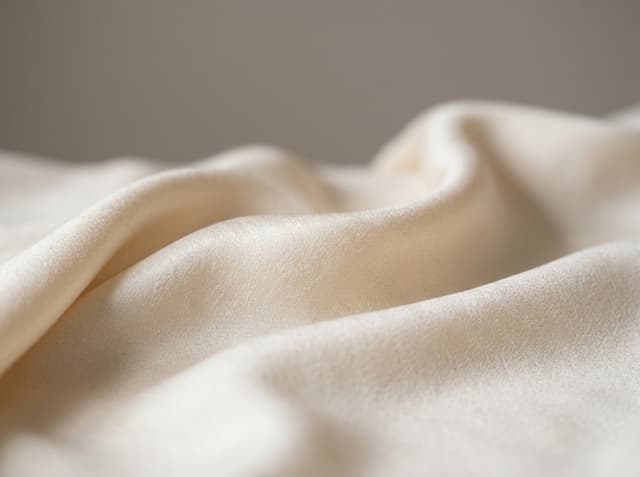
What is calendering in textile? In fabric finishing it is a mechanical step: cloth runs between heavy rollers (often heated) so the face is compressed smoother or more lustrous. That is not paper-machine calendering and not battery-electrode calendering—same word, different plant. On home-textile RFQs it means a fabric finish, common on linings, curtains, and bedding when polish or a slightly closer structure is part of the brief.
Uncalendered face vs polish vs emboss
Face-character illustrations, not a documented before/after of one piece.
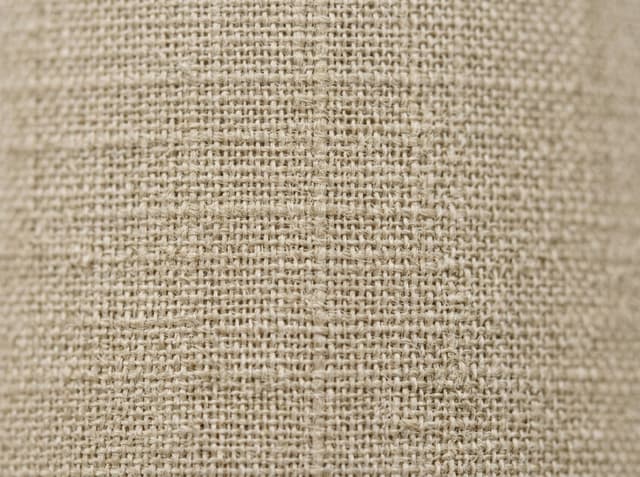 01
01Before polish
Loom-state character. The weave sits more open and less glossy.
02Flat / friction look
What a simple or friction calender is for: smoother, more lustrous.
 03
03Emboss calender
An engraved roller stamps a pattern. Approve the reference swatch.
Spelling: calendering, calendaring
Calendering is the correct spelling — one l after the "ca", from the Latin cylindrus. Calendaring (an extra a) is a common transposition and appears often in RFQ text.
Both refer to this process. If a specification arrives as calendaring, treat it as calendering and confirm the finish route and the required gloss or smoothness rather than querying the term.
Calendering meaning (finish process)
Calendering is not dyeing and not the same as peachskin sanding. It is pressure/heat work on the face—sometimes with engraved rollers for emboss or Schreiner-type luster. When you write “calendered” on an RFQ, say whether you want smooth, high gloss, or a specific emboss reference.
What changes on the cloth
Typical results (program-dependent):
- Higher surface luster
- Smoother hand
- Slightly reduced thickness / more closed structure (can help opacity)
- More “finished” appearance on the face
Trade-offs buyers should expect to discuss:
- Some calendered effects relax after washing or use if the program is not set for durability.
- Closing the structure can reduce breathability relative to the uncalendered base.
- Aggressive settings can mark or over-compress sensitive constructions—always sample.
Main technique families
| Technique | What the rollers do | Typical intent |
|---|---|---|
| Simple / flat calender | Even pressure, heated or ambient | Smooth face, close structure |
| Friction calender | Rollers at different surface speeds | Higher gloss / glazed look |
| Embossing calender | Engraved roller | Pattern or texture on the face |
| Schreiner-type | Fine engraving / specialized polish | Subtle silk-like luster |
Exact temperatures, line speeds, and tonnages belong on the finish route card for that mill and fabric—not as universal numbers on a glossary page.
Where it sits in the process
Calendering is usually late in finishing, after the cloth is clean and often after chemical finishes that set the hand. It often pairs with a softener finish (hand first, polish second) or with embossed pattern work when texture is required. It is not the same as peachskin sanding/brushing (peachskin raises a nap rather than only polishing a closed face).
What to put on the RFQ / PO
- Base cloth: fiber, weave, width, GSM, greige or prepared stage.
- Desired face: matte, soft gloss, high gloss, embossed pattern reference.
- Durability expectation: wash / dry-clean / end-use (home textile vs apparel lining).
- Whether calendering is required, optional, or sample-matched.
- Approved reference swatch when luster level is brand-critical.
For mill-direct home-textile programs and finish questions, contact sales with the sealed sample and the end-use.
Emboss depth we actually run
Depth is set by the engraved roller, so it is agreed on a sample rather than taken from a standard. Floral motifs carry more relief than geometric repeats at the same cloth.
| Embossed program | Depth |
|---|---|
| Embossed Floral | 0.5-3mm |
| Embossed Geometric | 0.5-2mm |
Spec tools
Common questions
What is calendering in textile?
- In fabric finishing, calendering runs cloth between heavy rollers, often heated, so the face becomes smoother or more lustrous. It is not paper-machine or battery-electrode calendering.
What does a calendered finish change on fabric?
- Typical results include higher surface luster, a smoother hand, and a slightly closer structure. Some effects can relax after washing if the program is not set for durability.
What are the types of calendering?
- Simple flat calendering smooths the face; friction calendering runs rollers at different speeds for higher gloss; embossing calenders stamp pattern with an engraved roller; Schreiner-type work adds a subtle silk-like luster. Name the face you want on the RFQ. On Weaverine peachskin programs the soft hand comes from sanding/brushing rather than calender polish — name smooth, gloss, or emboss reference so the mill routes it correctly.
Swiss vs chase vs friction calender: which one does my fabric need?
- Swissing runs the cloth through all nips once for uniform smoothing; chasing re-passes layered cloth for a soft linen-like hand; friction drives the pattern roll faster for high gloss on one face. Tell the mill the target face—smooth, soft-linen, or glazed—and the program picks the calender, not the other way round.
What calender settings change the result?
- Bowl temperature (often 120–180°C), pressure, moisture content, running speed, and differential bowl speed. Higher heat and pressure raise luster but risk marking fine cloth—approve the face on a sample at production settings.
Related Terms
Sourcing calendering or a polyester equivalent? We quote mill-direct programs from 5,000 m per specification.
Want to learn more textile terms?
Browse the full glossaryPolyester home-textile fabric, woven mill-direct for buyers worldwide.
Our mills run 650+ waterjet looms and produce 73M+ meters annually for bedding, curtain, and upholstery fabric programs.